Avoid fines: Wandsworth Council bulky waste rules SW17
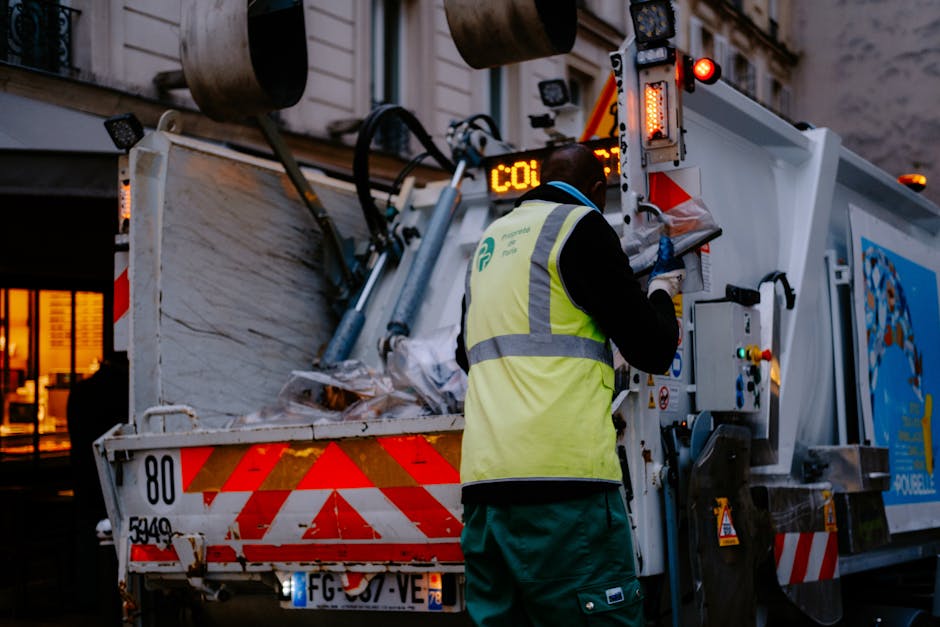
If you live in SW17 and you've got an old sofa, broken wardrobe, mattress, or other awkward item taking up half the hallway, the last thing you want is a fine for doing the disposal bit wrong. Avoid fines: Wandsworth Council bulky waste rules SW17 is really about one thing: getting rid of large household items the right way, without leaving a problem on the pavement, in the alley, or on a neighbour's nerves. To be fair, bulky waste sounds simple until you're standing there with a chest of drawers and no clear plan.
This guide breaks it down in plain English. You'll see how bulky waste collection usually works in Wandsworth, what commonly causes trouble, how to prepare items properly, and when it makes more sense to use a removal service instead. If you're clearing a flat, helping a relative, or doing a post-move tidy-up, the practical detail here should save you time and stress. And yes, it may help you avoid the kind of headache nobody needs on a wet Tuesday evening.
Why Avoid fines: Wandsworth Council bulky waste rules SW17 Matters
Bulky waste in a busy London postcode can become a neighbourhood issue fast. In SW17, where terraces, flats, shared entrances and narrow access are common, large items left out incorrectly are more visible and more likely to cause complaints. That's one reason people search for Wandsworth bulky waste rules before they move a single chair.
The main risk is not just a penalty. It's the knock-on effect: blocked pavements, fly-tipping concerns, extra collection charges, missed pickups, and the awkwardness of having to drag the same item back indoors again. If you've ever tried squeezing a worn-out sofa through a narrow stairwell while a taxi waits outside and rain starts hitting the pavement, you'll know why planning matters.
There's also a practical side. When you understand the rules, you can choose the cheapest and cleanest route for the item you have. Sometimes that means arranging a council bulky waste collection. Sometimes it means donating, reusing, or booking a furniture pick-up service if the item is still in decent condition. The right choice depends on access, item type, and how quickly you need it gone.
Quick takeaway: the safest approach is to treat bulky waste as a planned disposal job, not a last-minute curbside dump. That small shift makes a big difference.
How Avoid fines: Wandsworth Council bulky waste rules SW17 Works
While council processes can change over time, bulky waste collection in London normally follows a similar pattern: you identify the item, check whether it qualifies as bulky, book the collection, pay any required fee, and present the item exactly as instructed. The details matter. A lot.
Bulky waste usually means large household items that are too big for normal wheelie-bin collection. Think sofas, beds, wardrobes, tables, white goods, and similar items. The tricky bit is that councils often separate accepted items from restricted ones. For example, some materials, electrical goods, or dismantled parts may need different handling. So the question is not just "is it big?" but "is it accepted, prepared, and presented correctly?"
In practice, what causes problems is one of three things:
- The item is left outside before the booked time.
- The item includes prohibited components or loose debris.
- The booking details do not match what is actually being collected.
That mismatch can be enough to delay collection or create enforcement issues. A common example is a wardrobe with mirrors still attached, screws in the base, and a separate bag of broken shelves beside it. It may seem harmless, but from a collection point of view it can look like dumped waste rather than a properly arranged pickup.
If you're moving home or clearing several rooms at once, it can be more efficient to combine council disposal with professional help. Services like man and van support or home moves assistance can make the physical removal easier, especially where stairs, parking, and time windows are tight.
Key Benefits and Practical Advantages
Following the correct bulky waste process is not only about avoiding a fine. It also gives you better control over timing, cost, and what happens to the item afterwards. That can be a surprisingly big relief when your flat is already full of boxes and dust sheets.
- Cleaner street presentation: items are removed in a way that fits local expectations and reduces the chance of complaints.
- Lower risk of rejection: proper booking and preparation make it more likely the collection will go smoothly.
- Better cost control: you can compare council collection, reuse, and private removal before committing.
- Less manual strain: bulky items are awkward, and moving them safely is often harder than people expect.
- Less stress around moving day: if you're already juggling keys, cleaners, and a van, one less problem helps a lot.
There's another benefit that gets overlooked: peace of mind. When you know the item has been handled properly, you are not left wondering whether it will boomerang back as a complaint from management, a note from the council, or a grumpy neighbour who saw the whole thing from their kitchen window.
If you're clearing commercial premises as well as a home, it may be worth looking at a service that can handle mixed loads and access issues, such as commercial moves support or office relocation services. Different setting, same principle: do it cleanly and by the book.
Who This Is For and When It Makes Sense
This topic matters for a lot of people, not just landlords or property managers. In SW17, bulky waste rules can affect anyone with a spare room full of old furniture or a front garden that has become a temporary holding bay for a sagging mattress.
You'll especially want to pay attention if you are:
- moving out of a flat or house in Wandsworth;
- clearing a probate property or helping a relative downsize;
- replacing furniture after a refurbishment;
- running a small office or commercial space with old desks and chairs;
- dealing with items too large for your normal household bins;
- trying to avoid fly-tipping risks and unwanted disputes.
It also makes sense if you have awkward access. Maybe the building has no lift. Maybe parking is tight. Maybe the item will not fit through the front door unless it's dismantled. Those are the moments where a proper plan pays off. Truth be told, most bulky waste problems are not about the rule itself; they're about the logistics.
If you expect a bigger load, a vehicle-backed service such as moving truck support or removal truck hire may be more suitable than a one-off collection. That's especially true when there are several items, not just one lonely chair that has finally given up on life.
Step-by-Step Guidance
Here's a simple way to approach bulky waste in SW17 without overthinking it.
- List every item. Write down exactly what needs removing. Don't guess. Include size, type, and whether anything is attached.
- Separate bulky waste from reusable items. If an item is still usable, donation or resale may be a better route than disposal.
- Check whether the item needs dismantling. A bed frame or wardrobe often moves more safely in parts than as one piece.
- Remove loose contents. Drawers, shelves, cushions, cables, batteries, and small debris should be dealt with separately unless the collection provider says otherwise.
- Measure access points. Doorways, stairs, lifts, and hallways can all change what's realistic.
- Decide who will move it. If it's heavy or bulky, don't improvise. Use enough people or a professional service.
- Book the correct service. Make sure the collection or removal method matches the item type and volume.
- Present items exactly as instructed. Timing matters. So does where the item is placed.
- Keep the pathway clear. A clear route avoids damage to walls, floors, and the item itself.
- Confirm completion. Check the item is gone and the area is left tidy.
If the item is part of a wider move, you may find it easier to bundle disposal with packing support. A service such as packing and unpacking services can help reduce the usual end-of-tenancy chaos. Boxes everywhere, that odd smell from old cupboard contents, the whole scene. You know the drill.
Expert Tips for Better Results
Here are the small details that often make the difference between a smooth collection and a mess.
- Take photos before moving anything. Useful if you need to confirm the item condition or what was booked.
- Disassemble only if you can do it safely. If dismantling risks damage or injury, stop there and rethink the method.
- Protect floors and walls. Old furniture often has sharp corners, exposed screws, or rough chipboard edges.
- Choose the right time slot. Morning collections can be easier if the area is quieter and parking is simpler.
- Keep other residents informed. Shared buildings run better when people know what's happening. A quick note can save a lot of eye-rolling.
One thing people forget: bulky waste often goes hand in hand with parking and access issues. If a van needs to stop outside your home, the wrong time of day can turn a straightforward job into a very awkward shuffle. That's why local knowledge matters. In SW17, a bit of timing sense goes a long way.
For heavier or repeated loads, it may help to work with a local moving team that understands tight access and residential streets. A small, well-planned move can be far easier than trying to drag everything out in one heroic burst. Heroic is overrated, honestly.
Common Mistakes to Avoid
The same mistakes come up again and again. Most are avoidable with a little planning.
- Leaving items out too early. This can cause obstruction or attract complaints.
- Assuming every large item is accepted. Not all materials or appliances are handled the same way.
- Mixing rubbish with bulky waste. Loose bags, rubble, and general rubbish can change how the load is treated.
- Forgetting about access problems. A sofa that looked manageable in the lounge may become a nightmare on the stairs.
- Not checking the booking details. Small errors can lead to missed collections.
- Trying to move heavy items alone. That is a fast route to scratched walls, sore backs, and regret.
There is also the temptation to "just put it by the road and hope." That is exactly the kind of shortcut that can lead to trouble. If you're unsure, pause and check the better option. It takes longer in the moment, but it usually saves time overall.
Tools, Resources and Recommendations
You do not need much equipment, but a few basics make the job safer and cleaner.
| Tool or item | Why it helps | Best use |
|---|---|---|
| Work gloves | Protects hands from splinters and sharp edges | Lifting wardrobes, beds, broken frames |
| Moving blankets | Reduces scuffs and bumps | Narrow hallways and stairwells |
| Ratchet straps or strong ties | Helps secure items for transport | Van loads and truck moves |
| Screwdriver set | Useful for dismantling furniture | Beds, tables, shelving units |
| Cardboard or floor protection | Helps prevent scratches and dirt transfer | Shared entrances, polished floors, staircases |
My practical recommendation? Start with the least disruptive option. If one chair or mattress can be collected cleanly by a specialist, use that. If you have a full room of items, a broader removal plan may be cheaper and much less stressful. For mixed household clearances, a local service like house removalists can sometimes be a better fit than trying to piece together multiple ad hoc solutions.
If you need to understand who the company is and how it works, the pages on about us and contact us are the sensible next stop. Clear communication matters more than most people think, especially when timing is tight and the item is not exactly cooperative.
Law, Compliance, Standards, or Best Practice
Bulky waste sits in the overlap between household convenience and public cleanliness. In the UK, the exact collection rules are set locally, and councils may update procedures, accepted items, or booking requirements. So while the broad approach is familiar, the safest habit is to follow the current local instructions for Wandsworth and not rely on old advice from a neighbour or a years-old forum post.
Best practice usually includes:
- placing waste only when and where instructed;
- keeping footpaths clear;
- separating reusable, recyclable, and non-recyclable items where possible;
- dealing properly with sharp, heavy, or hazardous components;
- using a reputable removal provider for items that are too awkward for standard collection.
From a compliance point of view, the key idea is simple: do not create an unauthorised dump, even temporarily. A pile of furniture outside a property can look like fly-tipping to a passer-by or enforcement officer, even if your intention was harmless. Intent helps, but it does not replace correct presentation.
If you are handling business premises rather than a home, commercial waste expectations can be even stricter. In those cases, it is worth using a service designed for business moves or office clear-outs, such as commercial moves. Different building, different pressure, same need for order.
Options, Methods, or Comparison Table
There is no single right answer for every bulky item. The best route depends on condition, volume, urgency, and access. Here is a simple comparison to help you choose.
| Option | Best for | Pros | Watch out for |
|---|---|---|---|
| Council bulky waste collection | Single or limited household items | Local, straightforward, suitable for standard household disposal | Booking rules, item restrictions, timing windows |
| Donation or reuse | Usable furniture and appliances | Lower waste, possible social value, often the most responsible route | Condition standards, collection availability |
| Private removal service | Multiple items, awkward access, moving day clear-outs | Flexible, faster, useful for stairs and larger loads | Choosing the right vehicle and load plan |
| DIY transport | Small loads with easy access | Control over timing, may be economical for some jobs | Vehicle size, lifting risk, time, parking stress |
For a lot of SW17 households, the real choice comes down to this: do you want a simple one-item solution, or do you want the whole thing handled end to end? If it's the latter, a move-focused provider with the right vehicle and handling support can be worth every penny of saved hassle.
Case Study or Real-World Example
A typical SW17 scenario goes like this. A couple are leaving a first-floor flat near a busy high street. They have a bed frame, two mattresses, a wardrobe, and an old desk that has survived several years of laptop use and coffee spills. The hallway is narrow, the parking outside is tight, and moving day is already busy.
At first they think, "We'll just put the old bits outside the night before and sort it out tomorrow." That sounds easy. It also creates risk. Instead, they check what needs dismantling, remove the drawers, protect the walls on the turn down the stairs, and arrange a proper removal plan. They use a van-based service for the bulky furniture and keep the reusable desk chair for donation. Much better.
The difference is not dramatic on paper, but it is massive in real life. No blocked entrance. No guesswork. No apologising to neighbours. And no awkward wondering whether the council or building manager will have something to say the next morning.
This is the main lesson: bulky waste is manageable when it is planned. Unplanned, it turns into clutter very quickly.
Practical Checklist
Use this before you move or place any bulky item for collection.
- Have I confirmed the item is actually accepted as bulky waste?
- Do I know whether it needs dismantling first?
- Have I removed loose items, rubbish, and personal belongings?
- Is the path from room to exit clear and safe?
- Have I checked parking, lift access, and stair width?
- Do I have the right number of people to move it safely?
- Have I booked the correct collection or removal service?
- Will the item be placed only at the agreed time and location?
- Have I considered reuse, donation, or furniture pick-up first?
- Do I know who to contact if plans change at the last minute?
If you can tick all ten, you are in good shape. If not, stop and fix the weak point before the item leaves the property. That tiny pause can save a lot of trouble.
Get a free quote today and see how much you can save.
Conclusion
Avoiding fines and hassle with Wandsworth Council bulky waste rules in SW17 is mostly about planning, clarity, and common sense. Know what you have, check how it should be handled, and choose the disposal route that fits the item rather than forcing the item to fit your plan. That's the real trick.
For one item, council collection or a simple furniture pick-up may be enough. For a full flat clear-out or a move with awkward access, a professional removal solution can be the calmer option. Either way, the goal is the same: get the space clear, keep things compliant, and avoid that sinking feeling when waste is left in the wrong place at the wrong time.
And once it's done, the room feels different. Less cramped. Less noisy. A bit lighter, somehow. That's usually the moment people realise they should have sorted it sooner.
Frequently Asked Questions
What counts as bulky waste in Wandsworth SW17?
Bulky waste usually means large household items that cannot go into normal bins, such as sofas, mattresses, tables, wardrobes, and some appliances. Exact acceptance can vary, so it is always worth checking current local guidance before booking or placing anything outside.
Can I just leave bulky items on the pavement?
No, not unless the collection instructions specifically say to place them there at a certain time and in a certain way. Leaving items out early or without a booking can lead to complaints, missed collection, or enforcement issues.
How do I avoid a fine for bulky waste in SW17?
Book the correct collection, follow the placement instructions exactly, and make sure the item is not mixed with general rubbish. If you are unsure whether something is accepted, ask before putting it out. Simple, but it saves a lot of grief.
Are mattresses and sofas usually accepted?
They are commonly treated as bulky household items, but acceptance rules can differ depending on condition, material, and booking method. Check the collection terms before you assume they can go out with everything else.
What if my furniture is still usable?
If it is in good enough condition, reuse or furniture pick-up may be a better choice than disposal. That can reduce waste and may make the whole process easier for you too.
Do I need to dismantle furniture before collection?
Sometimes yes, especially where access is tight or the item is too large to move safely. Beds, wardrobes, and shelving often travel better in parts. If dismantling creates risk or damage, get advice first.
What should I do with broken electrical items?
Electrical items often follow different handling rules from general bulky waste. Do not assume they can all be placed together. If there are cables, plugs, batteries, or internal components, separate them and check the correct disposal route.
Is a private removal service better than council collection?
It depends on the job. For one or two items, council collection can be enough. For multiple items, awkward access, or a fast turnaround, a private service may be more practical and less stressful.
Can I put extra rubbish beside the bulky item?
Usually not. Loose bags, rubble, and mixed rubbish can cause the load to be rejected or treated differently. Keep bulky waste separate unless the collection provider clearly says otherwise.
What if I live in a flat with no lift?
That is one of the biggest reasons to plan carefully. Measure stairways, protect shared areas, and consider whether you need professional help. A tight staircase can turn a simple item into a two-person or three-person job very quickly.
How early should I book bulky waste collection?
As early as you can, especially if you are working around a move-out date or access restrictions. Popular time slots fill up fast, and last-minute bookings are where mistakes tend to happen.
Can I combine bulky waste removal with a full house move?
Yes, and that is often the smartest move. Combining disposal with a relocation plan can save time, reduce double handling, and keep the property clear for cleaning or handover. It is one of those small efficiencies that feels huge on the day.
Where can I get help if I have several items to move?
If you need a more hands-on solution, a service such as man with van support can be a useful middle ground between council collection and a full-scale move. If you want to speak to the team directly, use the contact page to ask about your specific situation.