Parking suspensions and permits for SW17 removal vans
If you are moving in SW17, the parking side of the job can be just as important as the boxes, tape, and heavy lifting. Parking suspensions and permits for SW17 removal vans are what help a move run smoothly when streets are tight, bays are busy, and there is nowhere obvious to leave a van without causing a headache. Miss this part, and a simple move can turn into circling the block, carrying sofas further than planned, or risking a penalty notice. Nobody wants that on moving day, least of all when the kettle is packed away.
This guide explains how parking suspensions and permits work, when they matter, how to plan for them, and what to watch out for in the SW17 area. It is written for real-world removals, not theory. Whether you are moving home, relocating a small office, or arranging a single bulky item collection, the same basic rule applies: the van needs a legal, practical place to stop. That sounds obvious, but it is the bit people often leave too late.
Table of Contents
- Why Parking suspensions and permits for SW17 removal vans Matters
- How Parking suspensions and permits for SW17 removal vans Works
- Key Benefits and Practical Advantages
- Who This Is For and When It Makes Sense
- Step-by-Step Guidance
- Expert Tips for Better Results
- Common Mistakes to Avoid
- Tools, Resources and Recommendations
- Law, Compliance, Standards, or Best Practice
- Options, Methods, or Comparison Table
- Case Study or Real-World Example
- Practical Checklist
- Conclusion
- Frequently Asked Questions
Why Parking suspensions and permits for SW17 removal vans Matters
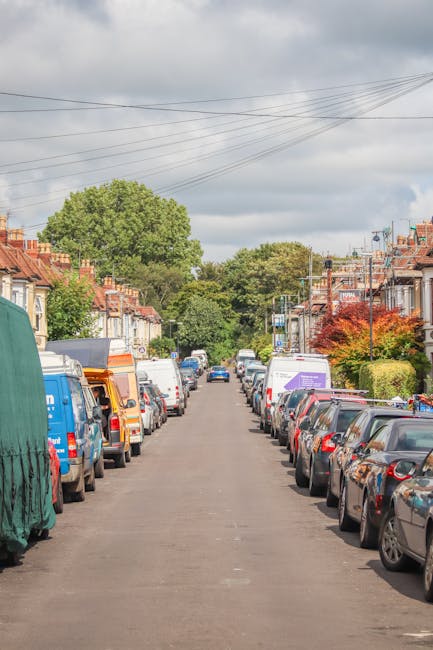
Removal vans need space. Not just any space, either, but space that lets people load, unload, and work without blocking traffic or causing unnecessary delays. In SW17, that can be tricky because many streets have controlled parking, resident bays, time restrictions, school runs, and the general London reality of limited kerb space. If the van has to park half a street away, every extra step adds time, strain, and risk.
The practical issue is simple: the closer the vehicle can get to the property, the easier and safer the move. A parking suspension or a suitable permit can make the difference between a tidy, coordinated removal and a day spent improvising. And improvising sounds flexible until you are carrying a wardrobe down a narrow staircase in the rain. Then it just feels messy.
There is also a trust angle here. If you are hiring a moving team, you want to know they are thinking ahead about access. Good planning reduces disruption for neighbours, minimises stress for you, and helps the crew work efficiently. That matters whether you are using a full service move, a simple man and van job, or arranging a larger vehicle such as a removal truck hire option for a bigger load.
Expert summary: parking arrangements are not paperwork for paperwork's sake. They are part of the move itself. In SW17, where parking can be tight and enforcement is active, the right permit or suspension is often one of the easiest ways to save time, avoid friction, and keep the day calm.
How Parking suspensions and permits for SW17 removal vans Works
In plain English, a parking permit gives a vehicle permission to park in a controlled area, while a parking suspension temporarily removes access to a bay or space so it can be used for a specific purpose. For removals, the point is usually to secure close access to the property so the van can stop where it needs to stop without breaking parking rules.
How this works in practice depends on the street and the type of move. Some moves only need a short stop in a bay, while others need a more formal arrangement if the vehicle must occupy a resident bay, loading bay, or restricted space. If the property is on a busy road, the planning becomes more important, because even a few minutes of delay can snowball when traffic is moving and neighbours are also trying to park.
For SW17 removal vans, the sensible approach is usually to check the parking situation well ahead of time. That means looking at the property frontage, considering the size of the van, and thinking through whether the loading point is practical. If the van cannot get close, the crew may need more time or more hands. In that case, services like man with van support or man and van can be a smart fit for smaller moves, while a larger home relocation may suit a fuller team such as home moves or house removalists.
A useful way to think about it: parking permission is a logistics tool. It does not move the furniture for you, but it removes one of the biggest obstacles to moving it quickly and safely.
Key Benefits and Practical Advantages
The benefits are broader than many people expect. Yes, parking access saves time, but the real value is in what that time-saving enables. Less walking with heavy items. Less congestion. Less chance of the van sitting awkwardly in traffic while everybody gets frustrated. It all adds up.
- Shorter carrying distance: the closer the van is to the front door, the less lifting and walking is needed.
- Lower risk of damage: moving items through fewer doorways, corners, and kerbs reduces the chance of knocks and scrapes.
- Better timing: a well-placed van helps keep the move on schedule, especially if the property has a tight handover window.
- Less stress on the day: parking uncertainty can be quietly exhausting. Remove it, and everything feels more manageable.
- Better neighbour relations: planned parking is usually far less disruptive than a van dropping into a random space and blocking access.
There is also a commercial advantage. If you are comparing moving services, parking planning is one of those details that tells you who has real experience and who is just winging it. A team that asks about access early is usually the team that understands how the day actually unfolds. For business moves, this matters even more, which is why coordinated logistics are central to commercial moves and office relocation services.
And yes, sometimes the advantage is just not having to stand in the rain with a crate of books while the van looks for somewhere legal to pause. A small mercy, but a real one.
Who This Is For and When It Makes Sense
Not every move needs a formal parking arrangement, but many do. The more constrained the road, the more valuable the planning. In SW17, that usually means the topic matters if you are moving from a terraced street, a flat with shared access, a busy main road, or a property with restricted parking around the frontage.
This is especially useful if you are:
- moving house and expecting a larger van or truck
- relocating from a flat where street parking is limited
- moving office equipment or stock that needs quick access
- arranging a furniture collection or single-item delivery
- using a professional team that needs a legal loading position
- trying to avoid long carries from a distant bay or side street
It also makes sense if you are using furniture pick up for a bulky sofa, bed, or appliance. Those jobs are often short, but short does not always mean simple. A mattress does not care how quick the job was supposed to be; it still has to get out of the building and onto the vehicle somehow.
If you are moving with children, pets, or a lot of fragile items, parking access becomes even more valuable because it reduces the number of moving parts on an already busy day. The less chaos at the kerb, the better the whole day feels.
Step-by-Step Guidance
Here is a practical way to handle parking suspensions and permits for SW17 removal vans without overcomplicating things. You do not need to become a parking expert. You just need a calm, tidy process.
- Check the property access early. Look at the street outside the property, the width of the road, and whether there is room for the van to stop near the door.
- Assess the vehicle size. A small van, medium van, and large removal truck all behave differently on a narrow road. Bigger is not always better if the street is tight.
- Think about loading time. If you have a lot of furniture, boxes, or fragile items, the van may need to stay put for longer than a quick stop.
- Identify parking restrictions. Resident bays, pay-and-display spaces, yellow lines, and time-limited areas all change what is realistic.
- Decide whether a suspension or permit is needed. A short job may only need a legal loading arrangement, while a larger move may need more formal planning.
- Build the parking plan into the move booking. Do not leave it as a last-minute detail. It belongs in the same conversation as stairs, access, and packing.
- Confirm the day-before details. Check arrival time, contact numbers, and any special instructions so nothing gets lost in the rush.
If you are using a team that offers packing support too, that can make the day much smoother. Many customers combine move planning with packing and unpacking services so the van can load quickly once it arrives. That sounds like a small thing, but it often shaves a surprising amount of time off the job.
A practical rule? The less the crew has to improvise, the better the day tends to go. Simple as that.
Expert Tips for Better Results
Experience teaches you that parking is mostly won or lost before moving day. A few small decisions make a big difference.
- Measure the curbside space mentally. Ask yourself whether the van can sit without blocking a junction, dropped kerb, or narrow pinch point.
- Plan for neighbour traffic. School times, bin collections, and commuter traffic can all make a good parking plan go sideways. SW17 mornings can be lively, to put it kindly.
- Keep the loading route short and clear. Remove bins, mats, and loose obstacles where possible so the crew does not waste time navigating around them.
- Use the right vehicle for the job. A smaller vehicle can sometimes be more practical than a large truck if access is awkward.
- Have a backup option. If the original space is blocked, know where the next-best legal stopping point is.
- Communicate the awkward bits. If there is a steep path, steps, a low archway, or a shared drive, say so early. It saves everyone a mild panic later.
One thing people underestimate is how much packing order affects parking pressure. If the first items out are the hardest to reach, the van needs to sit longer. If you know the sequence in advance, loading can become far more efficient. That is one reason people booking a full-service removal often look at removal truck hire alongside planning and packing support.
Good parking planning is a bit boring, honestly. That is exactly why it works. The best moving days often look uneventful from the kerbside.
Common Mistakes to Avoid
Most parking problems are preventable. They usually happen because somebody assumed the street would be fine or thought the van driver would "sort it on the day." That approach can work once in a while, but it is not a strategy.
- Leaving it until the last minute: parking arrangements need time, especially if there is any complexity.
- Assuming a large van will fit anywhere: bigger vehicles need more room than people expect.
- Forgetting loading time: a bay that looks fine for five minutes may not be practical for a full household move.
- Not checking restrictions properly: signs matter. Even if the bay looks empty, it may still not be usable.
- Ignoring access at the building entrance: the parking spot is only half the story if there are steps, narrow hallways, or awkward doors.
- Overlooking business traffic: office moves often need parking arrangements that take deliveries and local traffic into account.
Another common mistake is booking the wrong kind of move service for the amount of access available. If parking is especially awkward, a smaller team or a more flexible vehicle may be better than a big lorry. Sometimes smaller is smarter. Not always, but often enough.
It is also worth remembering that a parking issue is rarely just a parking issue. It can affect the time budget, lifting workload, neighbour relations, and even the condition of your furniture. One bad assumption, and everything starts wobbling a bit.
Tools, Resources and Recommendations
You do not need a toolkit full of gadgets, but a few practical resources help enormously. The goal is to make the move predictable.
- A written moving plan: include arrival time, vehicle type, access notes, and who to contact on the day.
- Clear labels on boxes: this speeds up loading and unloading, which reduces the time the van needs to remain parked.
- Measurements of large furniture: if you know a sofa or wardrobe is awkward, you can plan the loading order properly.
- Photographs of the street and frontage: useful if you are explaining access to a moving team.
- A spare contact number: if the driver or coordinator needs to update you quickly, a backup contact is handy.
For smaller jobs, a flexible service like man and van can be useful because it often suits short-notice collections or compact moves where access is manageable. If the job is larger, or you want a more vehicle-led solution, moving truck arrangements can suit heavier loads, provided the parking plan is realistic.
Practical recommendation: match the vehicle to the street, not just the load. In London especially, that simple idea saves a lot of trouble.
Law, Compliance, Standards, or Best Practice
Parking suspensions and permits sit within local parking rules and road restrictions, so it is always wise to treat them as a compliance matter rather than a casual convenience. The exact permission needed will depend on the street, the type of bay, the location, and the council's current rules. Because those details can change, you should always verify what is required for the specific SW17 address rather than relying on a general assumption.
Best practice is to:
- check the parking signs at the property
- allow enough time for any permission process
- avoid blocking access routes, driveways, or dropped kerbs
- keep the loading point safe and sensible for pedestrians
- make sure the moving crew understands any parking limits before arrival
For business customers, parking planning can also support a cleaner, more organised relocation process. That matters in shared buildings, commercial streets, and busy office locations where one poorly placed vehicle can cause friction quickly. If you are planning a workplace move, coordinated logistics through commercial moves or office relocation services can reduce the chance of unnecessary disruption.
One caution worth saying out loud: do not assume that because a van is only stopping for a moment, the rules do not apply. In London, short stops can still matter. Better to get it right than explain it later.
Options, Methods, or Comparison Table
Different moves call for different parking approaches. The right choice depends on access, timing, and the type of items being moved. Here is a simple comparison to help you think it through.
| Option | Best for | Strengths | Watch-outs |
|---|---|---|---|
| Parking permit | Controlled areas where a vehicle needs lawful access | Good for routine access and predictable parking | May not be enough if the space itself is needed exclusively |
| Parking suspension | When a bay or space needs to be kept clear for the van | Creates a dedicated loading area close to the property | Needs more planning and may be more formal |
| General loading stop | Very short, low-complexity moves | Quick and simple if the street allows it | Can be risky if the area is restricted or busy |
| Smaller vehicle approach | Tight residential streets or awkward access | More flexible, easier to position | May require more trips for larger loads |
| Full removal truck setup | Larger household or office moves | Efficient for bigger volumes when parking is secured | Needs the best access planning of all |
There is no single best option for everyone. A studio flat move, a family home relocation, and a business clearing out filing cabinets all need different levels of parking support. That is normal. The trick is matching the method to the real conditions on the day, not the ideal version in your head.
Case Study or Real-World Example
Here is a very typical SW17 scenario. A couple are moving out of a first-floor flat on a residential street. On paper, the distance to the loading point looks short. In reality, the nearest unrestricted parking is down the road, and the street fills up early with resident vehicles. They also have a sofa, a dining table, several fragile boxes, and a narrow staircase that already looks a bit unforgiving.
At first they think, "We can probably just park wherever and be quick." But once the moving day plan is written out, the problem becomes obvious. If the van cannot stop close to the entrance, the crew will spend much more time carrying items from the roadside, and the sofa will have to be manoeuvred across a longer route. That means more strain, more delay, and a greater chance of bumping walls or door frames.
Instead, they choose a proper parking plan and book a more suitable moving setup. They also make sure the boxes are packed and labelled in advance. The result is boring in the best possible way: the van arrives, loading starts promptly, and the whole job finishes without frantic parking changes or awkward carrying detours. A small story, yes, but one that repeats itself all over SW17.
Truth be told, the move felt easier not because there was less work, but because there was less uncertainty.
Practical Checklist
Use this checklist before moving day to keep the parking side under control.
- Confirm the full SW17 address and access details
- Check whether the street has resident bays, time limits, or loading restrictions
- Decide whether a permit, suspension, or simple loading arrangement is needed
- Match the vehicle size to the street width and loading space
- Tell the moving team about stairs, narrow paths, shared entrances, or basement access
- Prepare photographs of the frontage if the access is awkward
- Label boxes and separate essentials for quick loading
- Keep a contact number ready for the day
- Plan for neighbours, deliveries, and busier parts of the day
- Double-check the booking the day before the move
If the move is larger or more complicated than expected, it can help to speak with a team early. You can also learn more about the company background via about us or send a message through contact us if you want to discuss access, vehicle size, or move timing before booking.
Conclusion
Parking suspensions and permits for SW17 removal vans are not just admin. They are part of what makes a move manageable, safe, and calm. In a busy London postcode like SW17, where kerb space can be tight and the rules matter, the parking plan often decides how smooth the whole day feels.
If you take one thing from this guide, let it be this: think about parking early, match the vehicle to the street, and keep the loading route as short as possible. Those three things solve more problems than people expect. The rest is just sensible preparation, a clear plan, and a bit of local awareness.
Get a free quote today and see how much you can save.
Moving day is rarely perfect, but with the right parking setup, it can be calm, efficient, and quietly satisfying. That is a pretty good result, really.
Frequently Asked Questions
Do I always need a parking suspension for a removal van in SW17?
No, not always. Some moves only need a legal loading stop or a suitable permit arrangement. It depends on the street, the vehicle size, and how long the van needs to stay put. If the area is busy or restricted, a suspension may be the safer option.
What is the difference between a parking permit and a parking suspension?
A permit usually allows a vehicle to park in a controlled area under certain rules. A suspension temporarily blocks off a space or bay so it can be used for a specific purpose, such as a removal van loading outside a property.
How far in advance should I plan parking for a SW17 move?
As early as you can. The earlier you check access, the easier it is to decide whether a permit, suspension, or different vehicle is needed. Leaving it late tends to create stress, and, well, stress is the last thing you need on moving day.
Can a man and van service still need parking arrangements?
Yes. Even a smaller vehicle may need a legal space close to the property. A man with van or man and van job can still be affected by bays, restrictions, or loading limits.
What if the van cannot park right outside the property?
The move can still happen, but it may take longer and involve more carrying. That is why parking planning matters so much. A nearby legal stopping point is better than improvising with a poor one.
Is parking planning more important for office moves than home moves?
Often, yes. Office moves can involve more equipment, tighter schedules, and more people affected by delays. For that reason, office relocation services usually benefit from very clear parking arrangements.
Do larger removal trucks make parking problems worse?
They can, because they need more room and more careful positioning. A bigger vehicle can be efficient for the load, but only if the street access is realistic. Sometimes a smaller vehicle is the better choice.
Can parking issues damage my furniture?
Indirectly, yes. If the van has to park far away, furniture spends longer being carried, turned, and moved through awkward routes. More handling usually means more risk.
What should I tell the moving team before the day?
Tell them about the street layout, any restrictions, the number of stairs, the size of the furniture, and whether parking is tight. A few clear details early can prevent a lot of muddle later.
Are packing services useful if parking is complicated?
They can be very useful. If your boxes are already organised and ready to load, the van spends less time parked. That is one reason many customers choose packing and unpacking services alongside the move itself.
What is the biggest mistake people make with parking on moving day?
The biggest mistake is assuming it will sort itself out. Parking rarely sorts itself out. It is better to plan the space, the vehicle, and the timing before the first box leaves the house.
Where can I ask about a move if I am not sure what parking setup I need?
If you are unsure, start by reviewing the move details and asking for guidance before the day arrives. You can use the contact us page to discuss your access, vehicle, and timing needs in advance.